

Table of Contents
Your First Confident Mehndi: A Step-by-Step Guide to Mastering a Simple Front Hand Design
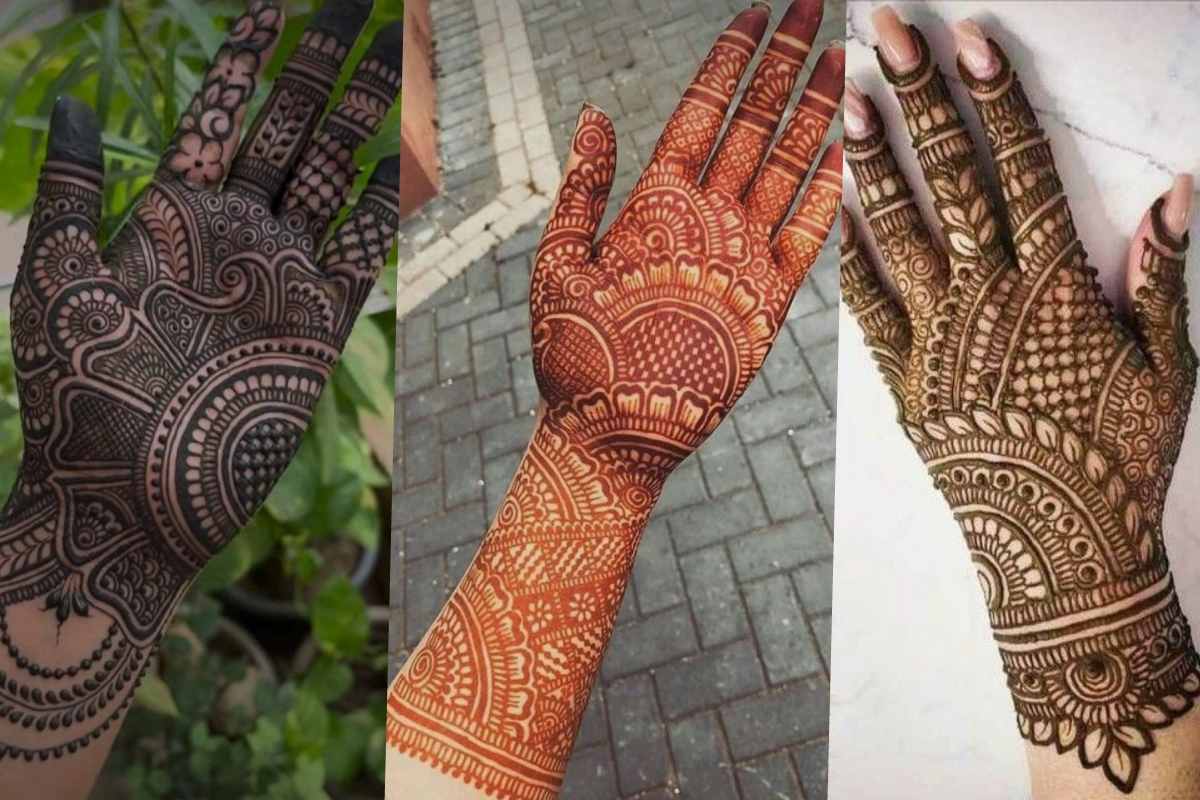
So you want to create a beautiful mehndi design but feel overwhelmed by intricate patterns? You’re in the right place. As someone who has taught hundreds of beginners, I know the biggest hurdle isn’t skill—it’s knowing where to start and how to practice. This guide breaks down a classic, elegant design for the front of your hand into foundational strokes anyone can learn.
We’ll move beyond just copying a pattern. You’ll understand the “why” behind each step, so you can build confidence and eventually create your own designs.
Part 1: Foundation First—Your Toolkit and Mindset
Gathering the Right Materials:
-
Henna Cone: Use a fresh, ready-made cone with a fine tip (about 1mm). Test the flow on a paper towel—it should be smooth, not gloopy or watery.
-
Essential Tools: Cotton balls, lemon-sugar solution (1 tsp sugar in 2 tbsp lemon juice), and a hair dryer (optional but helpful).
-
The Canvas: Wash and dry your hands thoroughly. Avoid lotions, as oils create a barrier.
The Beginner’s Mindset:
Forget perfection. Your first goal is clean lines and steady pressure. Intricacy comes later. We’ll use a three-tiered practice method: paper → plastic sheet → skin.
Part 2: Deconstructing the Design—The Four Building Blocks
Our design uses four universal elements. Master these, and you unlock most beginner patterns.
-
The Dot: The anchor of all designs. Practice applying even pressure for a perfect circle.
-
The Line: The backbone. Practice straight lines, then gentle curves.
-
The “S” Curve: The element of flow. It connects parts of the design gracefully.
-
The Paisley (Mango): The classic decorative fill. Think of it as a simple comma or teardrop.
Part 3: The Step-by-Step Application Process
Follow this order for a balanced, mistake-forgiving layout.
Step 1: Establish Your Anchor Points (The Map)
-
Lightly dot where key elements will go: one in the center of your hand, one at the base of each fingertip, and two along the curve of your thumb. This is your roadmap—it prevents the design from drifting sideways.
Step 2: Create the Central Motif
-
Start with a medium-sized dot in the center of your palm.
-
Draw 4-6 simple petals around it (just curved lines meeting at the base).
-
From this flower, extend a single, graceful “S” curve toward your middle finger. Pro Tip: Rest your drawing hand on your pinky for stability during long curves.
Step 3: Build the Finger Flows
-
From the central motif, draw a gentle line to the dot at your middle finger’s base. Frame it with two parallel lines or tiny dots.
-
For the index and ring fingers, draw a simple vine—just a curving line with small leaves (paisley shapes) on alternating sides.
-
Keep pinky and thumb designs minimal: a few dots or a tiny spiral.
Step 4: Fill and Connect
-
Use small dots, dashes, or tiny “C” shapes to fill empty spaces between main lines. This creates a lush, finished look.
-
Ensure every major line is connected to another. Isolated lines can make a design feel incomplete.
Part 4: The Finishing Touches That Make a Difference
-
Let it Dry: Sit still for 20-30 minutes until the paste dries to a matte finish.
-
Seal for Darkness: Apply the lemon-sugar solution over the dry paste with a cotton ball. The sugar helps the paste adhere and release more dye.
-
Retain Heat: Once sealed, wrap the hand loosely in tissue paper or plastic wrap. Heat darkens the stain. Keep it on for 2-6 hours.
-
The Reveal: Peel off the paste—do not wash with water. Gently scrape it off. The orange stain will darken to a deep reddish-brown over the next 48 hours. Avoid water on the design for the first 12 hours.
Part 5: Practice Drills Before Your Next Design
True skill comes from muscle memory. Before your next application, try this 5-minute drill on paper:
-
Draw a row of even dots.
-
Draw a row of parallel lines.
-
Draw a chain of connected “S” curves.
-
Draw a row of simple paisley shapes.
This builds the control needed for more complex designs.
Conclusion: Your Path Forward
This design is your foundation. By mastering these four building blocks and the connect-and-fill technique, you have not just copied a pattern—you’ve learned a method. Your next step is to vary what you know: make the central flower bigger, add more vines, or use more paisleys as fills. The skill is now in your hands.