

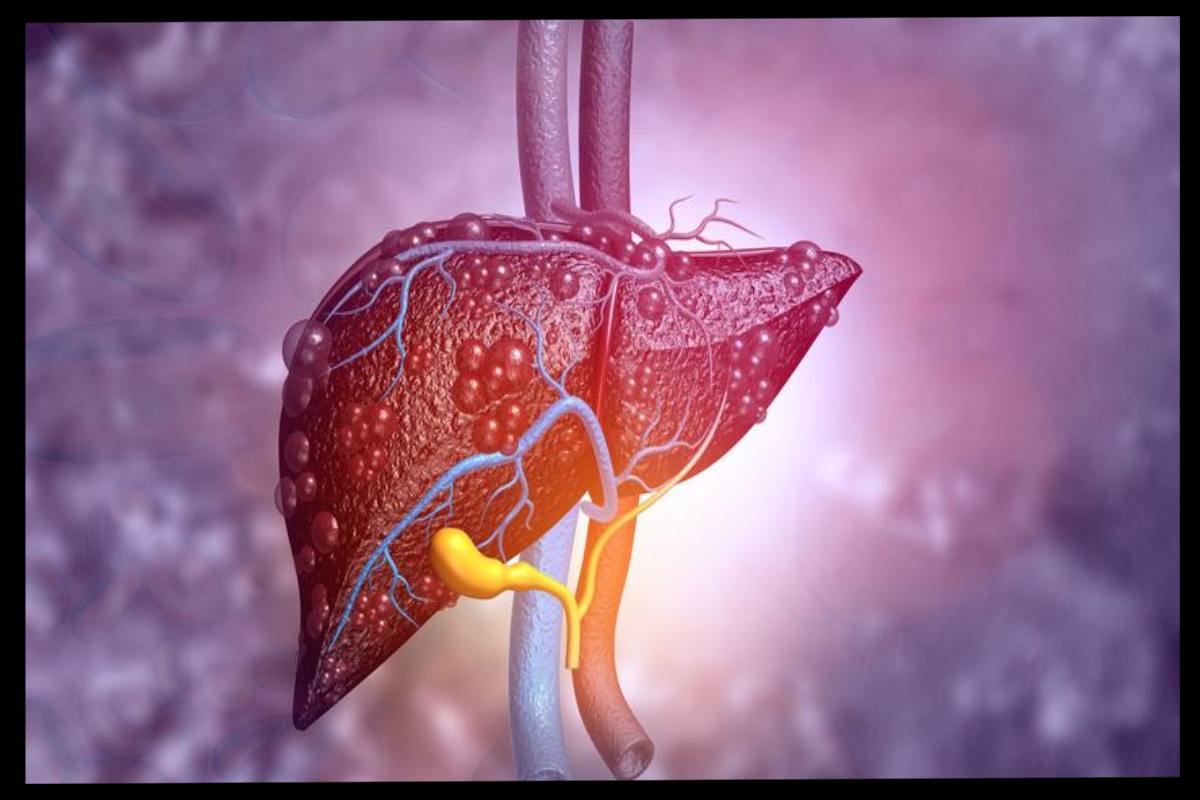
Liver cancer is one of those conditions that often stays quiet for a long time, which can make it feel unfair when it is finally discovered. Many people only find out about it during tests for something else, or when vague symptoms start to interfere with daily life. In those moments, it is natural to wonder how the disease began in the first place and whether anything could have been done earlier.
Understanding how liver cancer forms inside the body can give patients and families a sense of clarity instead of fear. When people know the main causes, warning signs and patterns, they can work with their doctors in a more confident and informed way. This knowledge also highlights why regular check ups and appropriate scans are so important, especially for those already living with liver conditions.
For anyone exploring liver cancer treatment and other advanced centres can offer a wide range of medical options, but those options are most powerful when the cancer is found early. Learning how liver cancer grows and how to catch it sooner is one of the most practical steps someone can take for themselves or their loved ones.
Table of Contents
How Liver Cancer Begins
Liver cancer usually starts with long term damage to liver cells rather than a sudden event. Over months or years, repeated injury causes normal liver tissue to be replaced with stiff scar tissue, a process known as cirrhosis. This scarring weakens the organ and creates an environment where abnormal cells are more likely to appear and multiply.
The Role of Chronic Hepatitis
One of the most common drivers of liver damage is chronic infection with hepatitis B or hepatitis C. These viruses live inside liver cells and can quietly cause inflammation for many years, often without obvious symptoms. Over time, this long lasting inflammation can lead to scarring and changes in the DNA of liver cells, which raises the risk of cancer forming.
People with chronic hepatitis do not always feel unwell, so they may not realise that the infection is slowly harming their liver. Regular blood tests and scans become important tools for monitoring the health of the liver in these individuals. When doctors can see small changes early, they can discuss antiviral treatments and screening plans that help lower the chance of cancer developing later on.
Cirrhosis and Ongoing Liver Injury
Cirrhosis itself is not cancer, but it is one of the strongest warning signs that liver cancer could appear in the future. In cirrhosis, the liver becomes nodular and scarred, and healthy cells must constantly try to repair the damage. With each repair cycle, there is a chance that copying errors occur in the cell’s genetic material, and some of those errors can trigger uncontrolled growth.
Many different conditions can lead to cirrhosis, such as heavy alcohol use over many years, chronic viral hepatitis and certain inherited disorders. In recent years, fatty liver disease linked to obesity and diabetes has also become a major cause. Understanding what led to cirrhosis helps doctors decide how closely someone should be watched and which lifestyle or medical changes might reduce further harm.
Genetic Changes Inside Liver Cells
Inside the liver, cancer begins when specific genes that control cell growth are damaged or switched on in the wrong way. These changes can be triggered by infections, toxins, long term inflammation or simple wear and tear over time. Once enough genes are affected, a group of cells may start growing faster than normal and ignore the usual signals that keep growth in check.
At first, these abnormal cells may form very small nodules that do not cause any symptoms. As they continue to grow and pick up more mutations, they can turn into a tumour that invades nearby tissue or spreads to other parts of the body. Because this process is silent in the early stages, many people are unaware that anything is wrong until the cancer is already advanced.
Why Early Detection Matters So Much
When liver cancer is found early, patients often have more treatment choices and a better chance of long term control. Small tumours that are limited to one part of the liver may be removed with surgery, destroyed with focused energy techniques or treated with targeted methods that spare healthy tissue. These approaches are far more difficult when the tumour has grown large or spread beyond the liver.
Screening People at Higher Risk
Early detection usually starts with recognising who is at higher risk. People with chronic hepatitis B or C, cirrhosis, fatty liver disease or a strong family history of liver cancer are often advised to have regular check ups. These visits may include blood tests that measure tumour markers and imaging scans, such as ultrasound, to look for small changes in the liver’s appearance.
The idea of repeated screening can feel tiring or worrying, but it is often the most practical way to catch liver cancer before it causes symptoms. When a tiny tumour is found on a routine scan, doctors can act quickly and offer treatments that aim to remove or destroy it. Many patients who follow a structured screening plan feel more in control, because they know their liver is being checked at regular intervals.
Listening to Subtle Symptoms
Not everyone with liver cancer will have clear warning signs, but there are subtle changes that should prompt a visit to a doctor. These may include unexplained weight loss, loss of appetite, persistent tiredness, discomfort in the upper right side of the abdomen, yellowing of the skin or eyes or a feeling of fullness after eating small amounts. These symptoms can have many causes, but they deserve attention, especially in someone with liver disease.
When patients and families recognise these early clues, they can seek medical advice sooner instead of waiting to see if things improve on their own. Even if the cause turns out to be something less serious, the reassurance of a proper assessment can ease anxiety. If something more concerning is found, that earlier visit might be the key reason a curative treatment is still possible.
Moving Forward With Awareness and Hope
Understanding how liver cancer develops turns a frightening diagnosis into a more understandable process. Instead of feeling that cancer appeared out of nowhere, patients can see how long term liver injury, infections and lifestyle factors work together over time. This knowledge can guide healthier choices, encourage regular check ups and make it easier to ask the right questions during medical appointments.
Early detection does not remove every fear, but it does open more doors. When liver cancer is found at a smaller size and at an earlier stage, doctors can often discuss options that aim for longer survival and better quality of life. For those already living with liver conditions, staying engaged in follow up scans, blood tests and medical reviews is a powerful way to protect their future health and to give themselves the best possible chance if cancer ever does appear.