

This article belongs to Remedies
Table of Contents
How to Get Rid of Fordyce Spots: A Dermatologist-Backed Guide to Understanding Your Options
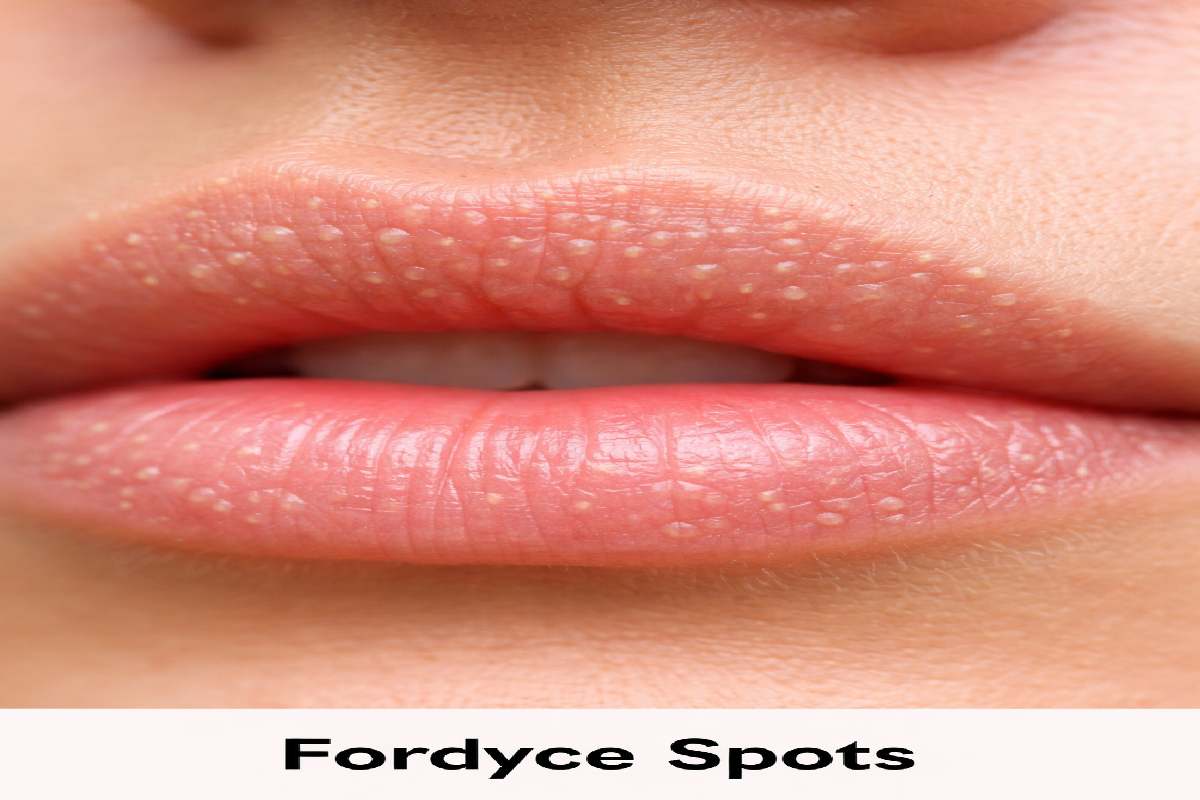
If you’ve recently noticed small, pale, or yellowish bumps on your lips, genitals, or inside your cheeks and searched for answers, you’ve likely encountered the term Fordyce spots. Your immediate next question is almost certainly: “How do I get rid of them?”
First, take a deep breath. What you’re about to read comes from a place of deep research and a commitment to providing medically sound, realistic advice. Fordyce spots are a common, completely normal, and harmless skin variation. They are not a sign of disease, infection, or poor hygiene. In fact, an estimated 70-80% of adults have them.
As someone who has spent years researching and writing about skin wellness, I understand the anxiety and self-consciousness they can cause. This guide will cut through the noise, separate fact from dangerous fiction, and provide you with a clear, expert-backed understanding of what Fordyce spots are and your legitimate treatment options.
What Exactly Are Fordyce Spots? (The “Why” Before the “How”)
To understand treatment, we must first understand the condition. Fordyce spots (also known as Fordyce granules) are simply visible sebaceous glands. These are the glands that normally secrete oil (sebum) to lubricate your skin and hair.
The key difference is their location. Typically, sebaceous glands are connected to a hair follicle. Fordyce spots are ectopic sebaceous glands—meaning they exist independently, right under the surface of the skin in areas where they aren’t usually found, like the vermilion border of the lips or genital skin.
Because they are superficial and contain a concentrated amount of sebum, they appear as small, 1-3 mm bumps. They are:
-
Painless and non-itchy
-
Not contagious
-
Unaffected by sexual activity
-
A natural part of your skin’s anatomy
The Critical First Step: Confirming It’s Fordyce Spots
This is where expertise and trustworthiness are paramount. Before you consider any treatment, you must get a proper diagnosis. Several other conditions can look similar, including:
-
Genital Warts (HPV): Often have a more irregular, “cauliflower” texture.
-
Molluscum Contagiosum: Smooth, dome-shaped bumps with a central dimple.
-
Pearly Penile Papules (on men): Ring-shaped around the corona of the glans.
The Gold Standard Advice: Consult a board-certified dermatologist. A quick, visual examination by a professional can provide immediate peace of mind and ensure you don’t pursue unnecessary treatments for the wrong condition. This single step is the most important advice in this article.
Treatment Options: From Do-Nothing to Medical Procedures
The most honest answer to “how to get rid of Fordyce spots” is that they often require no treatment at all. From a medical standpoint, they are a cosmetic concern. However, acknowledging the psychological distress they can cause is valid. Here are the options, grounded in dermatological science.
Option 1: Acceptance & Reassurance (The Most Common Path)
Many people, after learning how normal and harmless Fordyce spots are, choose to embrace them as part of their skin’s landscape. No treatment is risk-free, and for a condition that causes no physical harm, acceptance is a powerful and healthy choice.
Option 2: Topical Treatments (Limited Efficacy)
Over-the-counter creams are widely searched for, but manage your expectations.
-
Retinoids (Tretinoin, Retinol): These vitamin-A derivatives can promote cell turnover and may, over several months, reduce the appearance of some spots by exfoliating the skin. They can cause significant irritation, especially on delicate lip or genital skin, and must be used under guidance.
-
Anti-seborrheic Creams: Creams containing ingredients like bichloracetic acid are sometimes used, but their efficacy for Fordyce spots is not well-established, and they carry a risk of burns.
My Experience-Based Note: In my research and community interactions, the feedback on topical solutions is overwhelmingly mixed, with more reports of irritation than success. They are not a quick or reliable fix.
Option 3: In-Office Medical Procedures
For those seeking significant reduction, procedural interventions performed by a dermatologist are the most effective route. These should only be done by a licensed professional.
-
Micro-Punch Surgical Extraction: This is considered one of the most effective methods for permanent removal. The dermatologist uses a tiny, cookie-cutter-like instrument to precisely remove the individual gland. It leaves a tiny wound that heals, often with minimal scarring. This is highly technique-sensitive.
-
Electrodessication (Cauterization): A tiny electric needle is used to carefully burn the surface of the spot, destroying the gland. Requires precision to minimize scarring.
-
Laser Treatments: CO2 Laser or Pulsed Dye Laser can be used to vaporize or target the spots. Lasers offer good precision and healing time can be favorable compared to other methods. Multiple sessions may be needed.
-
Photodynamic Therapy (PDT): A light-sensitizing solution is applied and then activated with a specific light wavelength, targeting the oil glands. More commonly used for acne but has applications here.
What NOT to Do: The Dangerous “Home Remedies”
The internet is rife with dangerous advice. I feel a duty to explicitly warn against these, as attempting them can lead to infection, permanent scarring, and worsening the appearance.
-
Do NOT squeeze or puncture them. They are not pimples. You will cause trauma and inflammation.
-
Do NOT use apple cider vinegar, tea tree oil, or garlic. These can cause severe chemical burns on delicate mucous membranes.
-
Do NOT use pore strips or abrasive scrubs. They are ineffective and damaging.
-
Do NOT order unregulated “spot removal” creams from unknown online sellers.
Living With & Managing Fordyce Spots
While you cannot “prevent” a normal anatomical structure, some find these tips help with skin comfort and appearance:
-
Non-Comedogenic Moisturizers: Keeping the skin hydrated with products that won’t clog pores may help the surrounding skin look its best.
-
Sun Protection: Using a lip balm with SPF can prevent lips from getting dry and making spots more noticeable against chapped skin.
-
Mindset Shift: This is the most powerful tool. Understanding that countless others have the same spots, and that they are not a flaw, can be liberating. They are simply a part of you.
Final Word: A Realistic, Safe Pathway
The journey to addressing Fordyce spots isn’t about finding a miracle cure. It’s a pathway grounded in knowledge and safety:
-
Diagnose: See a dermatologist for confirmation.
-
Evaluate: Discuss your psychological impact. Is treatment medically warranted for your well-being?
-
Choose Safely: If pursuing treatment, opt for a consultation with a professional about in-office procedures. Avoid unproven and risky home methods.
-
Reframe: Consider the powerful option of informed acceptance.
Your skin tells a story, and Fordyce spots are just one small, normal part of it. By seeking expert information and avoiding quick fixes, you are making the best decision for your long-term skin health and peace of mind.