

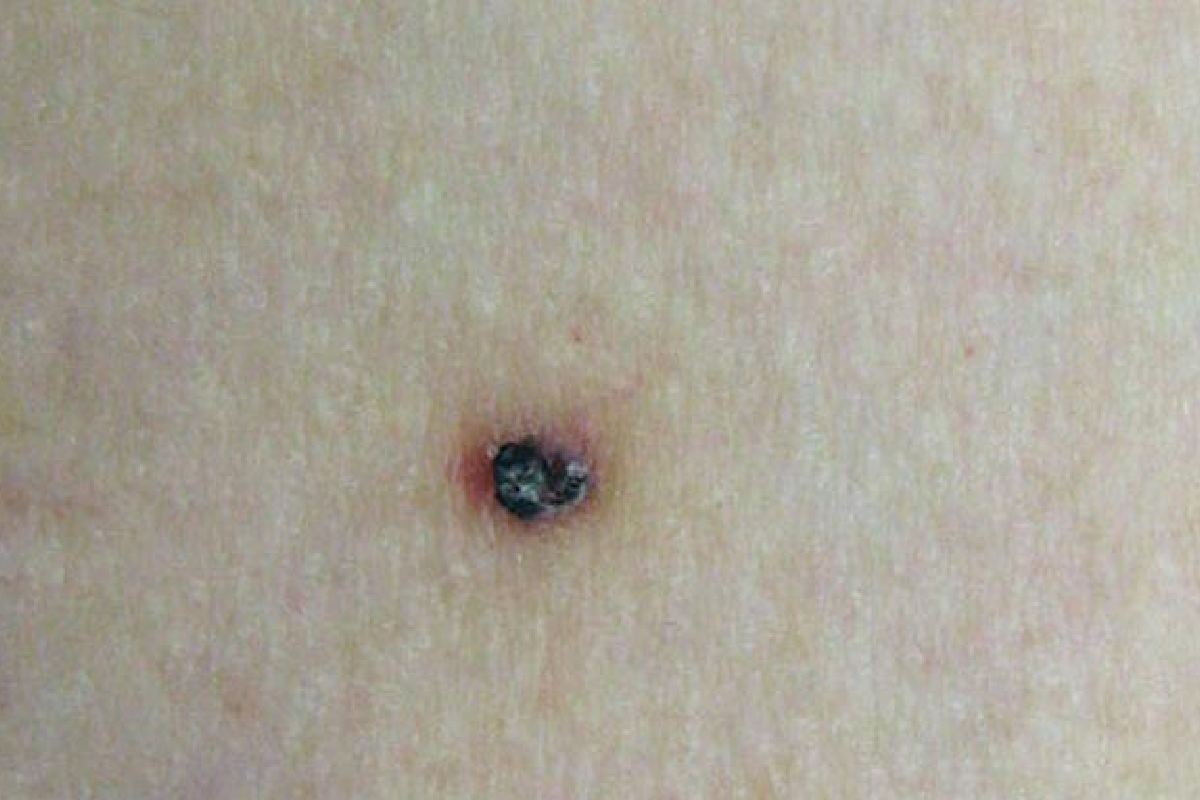
If you’ve noticed small, dark red or purple spots on your scrotum, vulva, or penis and searched for answers, you may have encountered the term angiokeratoma of Fordyce. Unlike the common, harmless Fordyce spots (sebaceous glands), this condition requires specific attention and understanding.
As someone who has extensively researched dermatological conditions, I understand how concerning these spots can appear. This guide will provide clear, medically-accurate information about what angiokeratoma of Fordyce is, how it differs from other similar conditions, and what your options are—all grounded in clinical expertise and patient-centered care.
This article belongs to Remedies
Table of Contents
What Exactly Is Angiokeratoma of Fordyce?
Angiokeratoma of Fordyce is a benign vascular condition characterized by small (1-5mm), dark red to purple or blue-black papules or spots on the genital skin. These lesions are actually dilated blood vessels (venules) in the upper dermis, with an overlying thickening of the skin (hyperkeratosis).
Key characteristics:
-
Location: Primarily on the scrotum in men and vulva in women, sometimes on the shaft of the penis
-
Color: Ranges from bright red to dark purple, almost black
-
Texture: May appear slightly raised or warty
-
Quantity: Can range from a few spots to dozens
-
Bleeding: May bleed if traumatized (during sex, shaving, or friction)
Crucial distinction: This is NOT the same as Fordyce spots (sebaceous glands) or angiokeratoma corporis diffusum (a systemic condition associated with Fabry disease). The term “of Fordyce” here refers to the dermatologist who first described it, not a connection to Fordyce spots.
Symptoms and Clinical Presentation
Most people with angiokeratoma of Fordyce experience no symptoms beyond the visible spots. However, some may notice:
-
Occasional bleeding with trauma or friction
-
Mild itching (though not common)
-
No pain unless the lesions become irritated
-
Slow progression over years
When to be concerned: If you experience sudden growth, ulceration, or rapid increase in number, consult a dermatologist immediately to rule out other conditions.
What Causes Angiokeratoma of Fordyce?
The exact cause isn’t fully understood, but several factors are believed to contribute:
-
Increased Venous Pressure: Often associated with conditions that increase pressure in the pelvic or genital veins
-
Chronic Irritation: Repeated friction or trauma to the area
-
Hormonal Factors: More common in middle-aged and older adults
-
Genetic Predisposition: Some families show higher incidence
Important associations:
-
More common in people over 30
-
Often seen alongside varicoceles (enlarged veins in the scrotum)
-
May be associated with hemorrhoids or other venous insufficiency
-
Not associated with sexually transmitted infections
-
Not contagious
Diagnosis: Confirming It’s Angiokeratoma of Fordyce
This step is non-negotiable for your peace of mind and safety. Several conditions can look similar:
-
Genital Warts (HPV): Usually flesh-colored with cauliflower appearance
-
Molluscum Contagiosum: Pearly, dome-shaped with central dimple
-
Melanoma or Other Skin Cancers: Changing, irregular lesions
-
Cherry Angiomas: Similar but typically on trunk, not genitalia
-
Petechiae or Purpura: From bleeding disorders
Diagnostic Process:
-
Visual Examination: A dermatologist can often diagnose visually
-
Dermoscopy: Magnified examination showing characteristic lacunae (blood-filled spaces)
-
Biopsy: Rarely needed, but definitive if performed
My Strong Recommendation: Schedule an appointment with a board-certified dermatologist. A 15-minute examination can provide certainty and rule out serious conditions.
Treatment Options: What Actually Works?
First principle: Treatment is elective and cosmetic. Since angiokeratoma of Fordyce is benign, no treatment is medically necessary unless lesions frequently bleed or cause psychological distress.
Medical Management (When Needed)
-
Topical Treatments:
-
Timolol Gel: A beta-blocker gel that may reduce redness in early lesions
-
Retinoids: May help with surface texture but limited effect on vascular component
-
Note: Topicals have limited efficacy for established lesions
-
-
Procedural Treatments (Most Effective):
-
Laser Therapy (Gold Standard): Pulsed dye laser (PDL) or KTP laser targets blood vessels with minimal scarring. Multiple sessions may be needed.
-
Electrodessication: Using electric current to destroy lesions. Effective but may cause hypopigmentation.
-
Cryotherapy: Freezing with liquid nitrogen. Can be effective but may blister.
-
Shave Excision: Physical removal of raised lesions.
-
-
Surgical Excision: For larger or symptomatic lesions. Provides tissue for biopsy but leaves linear scar.
What NOT to Do: Dangerous Approaches to Avoid
-
Do NOT pick, scratch, or attempt to remove lesions yourself
-
Do NOT use unregulated “mole removal” creams
-
Do NOT attempt home cryotherapy kits
-
Do NOT ignore changing lesions thinking they’re “just angiokeratomas”
Monitoring and When to Seek Help
Since angiokeratoma of Fordyce is benign, most people only need:
-
Annual Self-Checks: Note any changes in size, color, or number
-
Photographic Tracking: Take photos every 6-12 months for comparison
-
Dermatologist Follow-Up: Every 1-2 years if stable
Red Flags Requiring Prompt Evaluation:
-
Sudden increase in size or number
-
Ulceration or non-healing
-
Bleeding without trauma
-
Change in color, especially darkening
-
Development of pain or itching
Living with Angiokeratoma of Fordyce: Practical Tips
-
Preventing Trauma:
-
Be gentle during sexual activity
-
Avoid tight underwear that causes friction
-
Use electric razors instead of blades for shaving
-
-
Managing Bleeding (if it occurs):
-
Apply gentle pressure with clean cloth
-
Keep area clean and dry
-
Consider petroleum jelly as barrier protection
-
-
Psychological Considerations:
-
Remember these are common, benign, and non-contagious
-
Many partners won’t notice or mind
-
Treatment is available if appearance causes distress
-
Frequently Asked Questions
Q: Is angiokeratoma of Fordyce cancerous?
A: No, it’s completely benign with no malignant potential.
Q: Can it spread to my partner?
A: No, it’s not contagious or sexually transmitted.
Q: Will it go away on its own?
A: No, lesions are generally permanent without treatment.
Q: Is treatment painful?
A: Most procedures use local anesthesia and cause minimal discomfort.
Q: Can it affect fertility?
A: No, it doesn’t affect reproductive function.
The Bottom Line: A Balanced Perspective
Angiokeratoma of Fordyce is a common, benign vascular condition that, while sometimes concerning in appearance, poses no health threat. The journey should be:
-
Confirm: Get proper diagnosis from a dermatologist
-
Assess: Determine if treatment is needed (often it’s not)
-
Choose Wisely: If treating, select evidence-based medical procedures
-
Monitor: Keep an eye on changes while living your life fully
Your value isn’t determined by skin variations. These spots are simply a quirk of vascular anatomy—a normal part of the human spectrum that many people share but rarely discuss.