

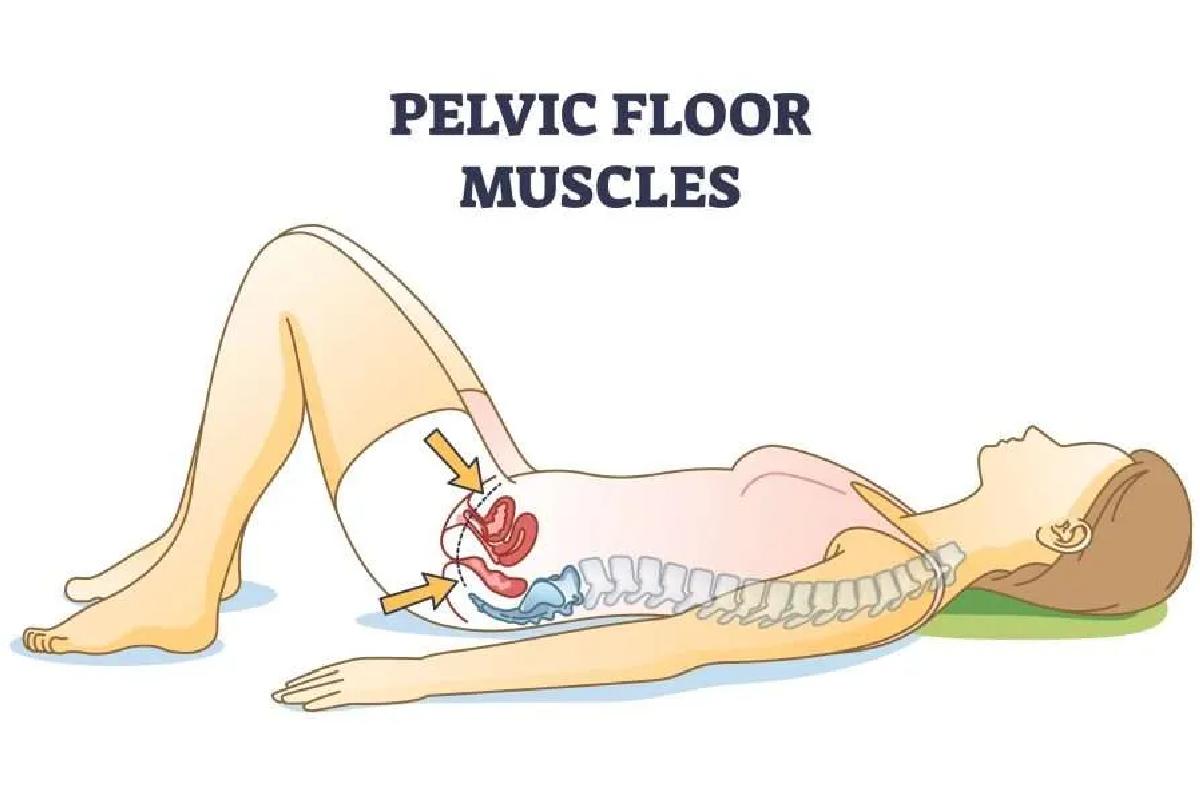
Pelvic health is one of the most overlooked aspects of overall wellness. Many individuals live with symptoms such as pelvic pain, urinary leakage, pressure, or discomfort during movement without realizing that these issues are highly treatable. Pelvic floor therapy offers a specialized and evidence-based solution designed to restore function, reduce pain, and improve quality of life.
Whether symptoms develop after childbirth, surgery, athletic activity, or gradually over time, early intervention can make a significant difference in long-term outcomes.
Table of Contents
Understanding the Pelvic Floor
The pelvic floor is a group of muscles and connective tissues that support the bladder, bowel, and reproductive organs. These muscles also play a vital role in:
- Core stability
- Postural control
- Bladder and bowel control
- Sexual function
- Athletic performance
When the pelvic floor is either too weak or too tight, dysfunction can occur. Symptoms may include:
- Urinary leakage or urgency
- Pelvic pressure or heaviness
- Lower back or hip pain
- Pain with exercise
- Pain during intimacy
- Constipation or incomplete emptying
Many people assume these symptoms are “normal,” especially after pregnancy or with aging. In reality, they are common—but not normal—and often respond very well to targeted therapy.
Why Pelvic Floor Dysfunction Should Be Addressed Early
Like other musculoskeletal conditions, pelvic floor dysfunction can worsen over time if not treated. Compensation patterns may develop, leading to:
- Increased strain on the lower back
- Hip instability
- Persistent core weakness
- Chronic pain cycles
Early pelvic floor therapy helps restore proper muscle coordination, improve tissue mobility, and retrain movement patterns before dysfunction becomes chronic. Addressing the issue early often reduces the need for more invasive interventions later.
The Connection Between Core Stability and Pelvic Health
The pelvic floor works closely with the diaphragm, deep abdominal muscles, and spinal stabilizers to create what is often referred to as the “deep core system.” If one component of this system is not functioning properly, the entire chain is affected.
For example:
- Weak pelvic floor muscles can contribute to low back pain.
- Poor breathing mechanics can increase pelvic pressure.
- Improper lifting techniques can strain pelvic tissues.
Pelvic floor therapy focuses on restoring this integrated system rather than isolating a single muscle group. Treatment may include:
- Breathing retraining
- Core stabilization exercises
- Manual therapy techniques
- Neuromuscular re-education
- Postural correction
- Movement retraining
This whole-body approach supports sustainable results.
Pelvic Floor Therapy for Women and Men
While pelvic floor therapy is commonly associated with postpartum recovery, it is equally important for men.
Women may seek pelvic therapy for:
- Postpartum recovery
- Urinary incontinence
- Pelvic organ prolapse
- Pain during exercise
- Diastasis recti
Men may benefit from pelvic therapy for:
- Pelvic pain
- Post-prostate surgery recovery
- Urinary urgency
- Athletic performance issues
- Chronic hip or lower abdominal discomfort
Pelvic floor dysfunction does not discriminate by gender, and both men and women can experience significant improvement with proper treatment.
What to Look for in a Pelvic Floor Specialist
Because pelvic health is specialized, it’s important to choose a provider with focused training and a patient-centered approach.
An effective pelvic floor therapist should:
- Perform a comprehensive movement evaluation
- Assess breathing mechanics and core stability
- Provide individualized treatment plans
- Offer education about lifestyle and movement habits
- Create progressive exercise programs
In a large metropolitan area like Chicago, patients have several options, but individualized, one-on-one care often leads to the most consistent results. Providers such as The Movement Guild in Chicago emphasize a whole-body, movement-based approach to pelvic health. By combining manual therapy, neuromuscular retraining, and targeted strengthening, their clinicians work to address both the symptoms and the underlying causes of pelvic floor dysfunction. This integrated approach is especially important in urban environments where active lifestyles, high stress, and long work hours can all influence pelvic health.
Breaking the Stigma Around Pelvic Health
Many individuals delay seeking care due to embarrassment or the misconception that pelvic symptoms are simply part of aging or postpartum recovery. Pelvic floor therapy is a professional, evidence-based medical service designed to improve comfort, confidence, and daily function. Addressing pelvic dysfunction can dramatically enhance:
- Exercise tolerance
- Sleep quality
- Core strength
- Confidence during daily activities
- Overall well-being
The earlier treatment begins, the easier it is to restore normal function.
Long-Term Benefits of Pelvic Floor Therapy
When pelvic floor dysfunction is treated appropriately, patients often experience:
- Improved bladder control
- Reduced pelvic pain
- Better posture and movement mechanics
- Enhanced athletic performance
- Increased core strength
- Greater body awareness
These benefits extend beyond symptom relief. They contribute to long-term resilience and reduced injury risk. Pelvic health is not separate from overall wellness—it is a foundational component of it.
Final Thoughts on the Impact of Pelvic Floor Therapy
Pelvic floor dysfunction is common, but it is highly treatable. With proper evaluation and individualized therapy, patients can regain strength, stability, and confidence in their bodies. For those experiencing symptoms related to pelvic pressure, leakage, pain, or core instability, seeking care from a qualified pelvic health specialist can be a transformative step toward long-term wellness. In a city like Chicago, choosing a provider committed to comprehensive, movement-based pelvic floor therapy can make all the difference in sustainable recovery and lasting results.