

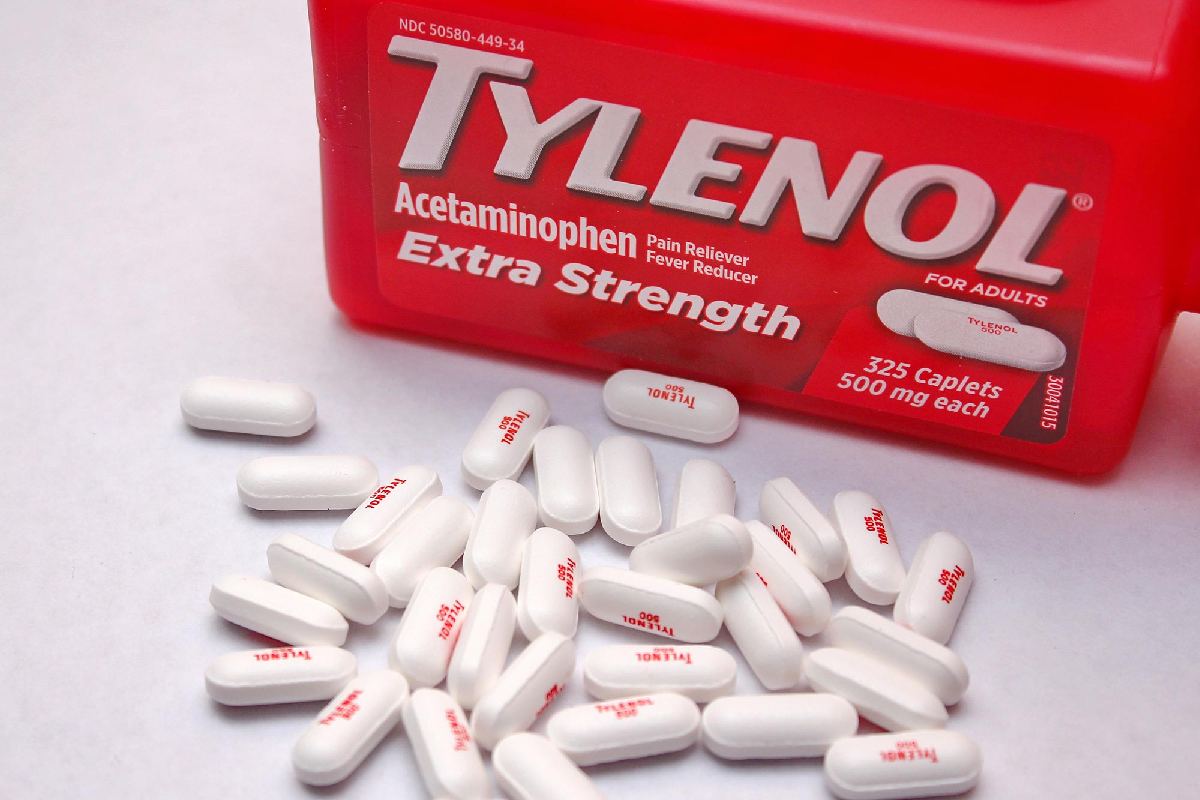
If you’re asking “how long does it take for Tylenol to work?”, you’re likely in discomfort and seeking relief. As someone who has researched pharmacology and pain management extensively, I understand that when you’re hurting, every minute counts. But the answer isn’t as simple as a single number—it depends on the formulation you take, your metabolism, and what type of pain or fever you’re treating.
This guide will give you clear, science-based timelines so you know exactly what to expect, while also explaining the factors that influence Tylenol’s effectiveness and how to use it safely for optimal results.
Table of Contents
The Short Answer: General Timeframes by Formulation
| Formulation | Onset of Action | Peak Effect | Duration |
|---|---|---|---|
| Regular Tablet/Capsule | 20-30 minutes | 1-2 hours | 4-6 hours |
| Rapid Release/Gels | 15-25 minutes | 45-90 minutes | 4-6 hours |
| Liquid Suspension | 15-20 minutes | 30-60 minutes | 4-6 hours |
| Dissolve Packs/Effervescent | 10-20 minutes | 30-60 minutes | 4-6 hours |
| Extended Release (Arthritis) | 30-45 minutes | 2-4 hours | 8 hours |
Key Insight: The “onset” is when you might begin to notice some relief, but the “peak effect” is when Tylenol reaches maximum concentration in your bloodstream and provides the strongest relief.
The Science Behind Tylenol’s Timeline: How Your Body Processes It
Tylenol’s active ingredient is acetaminophen (known as paracetamol outside the US). Here’s the pharmacological journey:
-
Absorption (0-30 minutes): After swallowing, the tablet dissolves in your stomach and small intestine. Acetaminophen is absorbed into your bloodstream. Liquid formulations absorb fastest because they skip the dissolution step.
-
Distribution (30 minutes – 2 hours): The medication circulates through your bloodstream to reach pain receptors, primarily in the brain and spinal cord. Acetaminophen works by inhibiting prostaglandin synthesis in the central nervous system—different from how NSAIDs like ibuprofen work.
-
Peak Concentration (1-2 hours): This is when blood levels are highest and you should experience maximum relief. For fever reduction, you’ll typically see temperature begin to drop within 30-60 minutes.
-
Metabolism & Elimination (3-6 hours): Your liver metabolizes acetaminophen, and it’s eliminated through urine. The effects gradually diminish until another dose is needed.
Factors That Influence How Quickly Tylenol Works for YOU
What Speeds Up Absorption:
-
Empty Stomach: Taking Tylenol 1 hour before or 2 hours after meals accelerates absorption by 15-30%.
-
Liquid Formulations: Suspensions, gels, and dissolve packs bypass tablet breakdown.
-
Body Position: Standing or sitting upright helps medication move through your digestive system faster.
-
Hydration: Drinking a full glass of water (8 oz) helps dissolve and transport the medication.
What Slows Down Absorption:
-
High-Fat Meal: A heavy, fatty meal can delay absorption by up to 60-90 minutes.
-
Certain Medical Conditions: Gastroparesis, IBD, or other digestive issues.
-
Age: Older adults may have slower gastric emptying.
-
Other Medications: Some drugs (like anticholinergics) slow digestion.
Individual Variability:
-
Genetics: Liver enzyme differences affect metabolism speed
-
Weight: Dosage is weight-based for effectiveness
-
Tolerance: Regular users may develop slight metabolic adaptation
Pain Type Matters: Different Relief Timelines
1. For Headaches & General Pain:
-
First noticeable relief: 20-40 minutes
-
Significant relief (50%+ reduction): 1-2 hours
-
Full effect: Within 2 hours for most tension headaches
-
Important: If no relief after 2 hours, the dose may be inadequate or the pain may require different treatment.
2. For Fever Reduction:
-
Temperature begins to drop: 30-60 minutes
-
Maximum fever reduction: 2-3 hours
-
Duration of effect: 4-6 hours, after which fever may return
-
Monitoring tip: Check temperature 1 hour after dosing, then every 2-3 hours
3. For Arthritis or Chronic Pain:
-
Initial relief: 30-45 minutes
-
Sustained management: Consider extended-release formulation (8-hour duration)
-
Consistency is key: Regular dosing maintains steady blood levels for chronic conditions
4. For Menstrual Cramps:
-
Onset: 30-45 minutes (cramps involve uterine prostaglandins)
-
Pro tip: Start taking at first sign of cramps rather than waiting for peak pain
What If Tylenol Isn’t Working? Troubleshooting Guide
- Scenario 1: No relief after 45-60 minutes
-
Possible causes: Insufficient dose, full stomach, incorrect pain type
-
Solution: Wait the full 2 hours. Next dose, take on empty stomach with water
2. Scenario 2: Relief lasts less than 4 hours
-
Possible causes: Fast metabolism, severe pain, incorrect formulation
-
Solution: Consider extended-release or discuss prescription options with doctor
3. Scenario 3: Works for pain but not fever
-
Possible causes: Serious infection, incorrect dosing
-
Solution: Consult healthcare provider—persistent fever needs evaluation
4. Scenario 4: Never seems to work for you
-
Possible causes: Genetic differences in metabolism, wrong medication for pain type
-
Solution: Discuss alternatives (NSAIDs, other analgesics) with your doctor
Safety Countdown: Critical Timing Rules
Dosing Intervals:
-
Minimum: Wait 4 hours between doses (6 hours for extended-release)
-
Maximum: No more than 4,000 mg in 24 hours (3,000 mg if over 65 or with liver concerns)
-
Never exceed 1,000 mg per single dose
Overlap Awareness:
-
Many cold/flu, prescription pain, and sleep medications contain acetaminophen
-
Check all labels to avoid accidental overdose
-
Wait full 4-6 hours before switching to or from other acetaminophen products
When to Seek Medical Help:
-
Fever >103°F (39.4°C) that doesn’t respond within 2 hours
-
Pain that worsens or doesn’t improve after 48 hours of appropriate dosing
-
Signs of allergic reaction: Rash, swelling, difficulty breathing (seek immediate help)
-
Liver concern symptoms: Yellow skin/eyes, dark urine, severe nausea
Maximizing Tylenol’s Effectiveness: Evidence-Based Tips
-
Strategic Timing: For predictable pain (post-dental work, post-exercise soreness), dose 30-60 minutes BEFORE pain peaks.
-
Formulation Selection:
-
Fast relief: Liquids, rapid release gels
-
Long-lasting: Extended release for arthritis or chronic pain
-
Easy swallowing: Caplets or coated tablets if you have pill difficulty
-
-
Administration Method:
-
Take with full glass of water
-
Don’t crush or chew extended-release tablets
-
Shake liquid suspensions well
-
Use measuring device for liquids—not kitchen spoons
-
-
Complementary Approaches:
-
For inflammation-based pain (sprains, arthritis), ibuprofen may be more effective
-
For tension headaches, combine with caffeine (some formulations include this)
-
For muscle pain, add gentle stretching or heat after medication takes effect
-
Special Populations: Modified Timelines
Children:
-
Liquids work fastest (15-30 minutes)
-
Always use weight-based dosing (not age-based)
-
Fever response is typically more dramatic and faster than in adults
Elderly (65+):
-
Metabolism may be slower (onset 30-45 minutes)
-
Increased sensitivity—lower doses often effective
-
Higher risk of interactions with other medications
People with Liver Conditions:
-
Consult doctor before use
-
May require longer intervals between doses
-
Reduced maximum daily dose (often 2,000 mg or less)
Pregnant Women:
-
Generally considered safe during all trimesters
-
Onset and duration similar to general population
-
Always consult OB/GYN for pregnancy-specific guidance
The Bottom Line: Realistic Expectations
Based on pharmacological data and clinical experience:
-
For most adults taking regular strength Tylenol (325-500 mg) on an empty stomach, expect to feel initial relief within 20-30 minutes and maximum relief within 1-2 hours.
-
The relief should last 4-6 hours, after which you may need another dose if pain or fever returns.
-
If you don’t notice any improvement within 2 hours, either the dose was insufficient, you took it with a heavy meal, or Tylenol isn’t the right medication for your type of pain.
-
Never take more than directed or more frequently than every 4 hours—acetaminophen overdose can cause severe liver damage, sometimes before you realize you’ve taken too much.
When to Choose Tylenol vs. Other Pain Relievers
-
Choose Tylenol for: Fever, headaches, minor aches/pains, when you can’t take NSAIDs
-
Choose ibuprofen/NSAIDs for: Inflammation (swelling, arthritis, injuries), menstrual cramps
-
Consult doctor for: Persistent pain, severe pain, or if over-the-counter meds aren’t working
Remember: Tylenol is excellent for pain and fever but doesn’t reduce inflammation. If your pain involves swelling (like a sprained ankle), an NSAID might work better.