

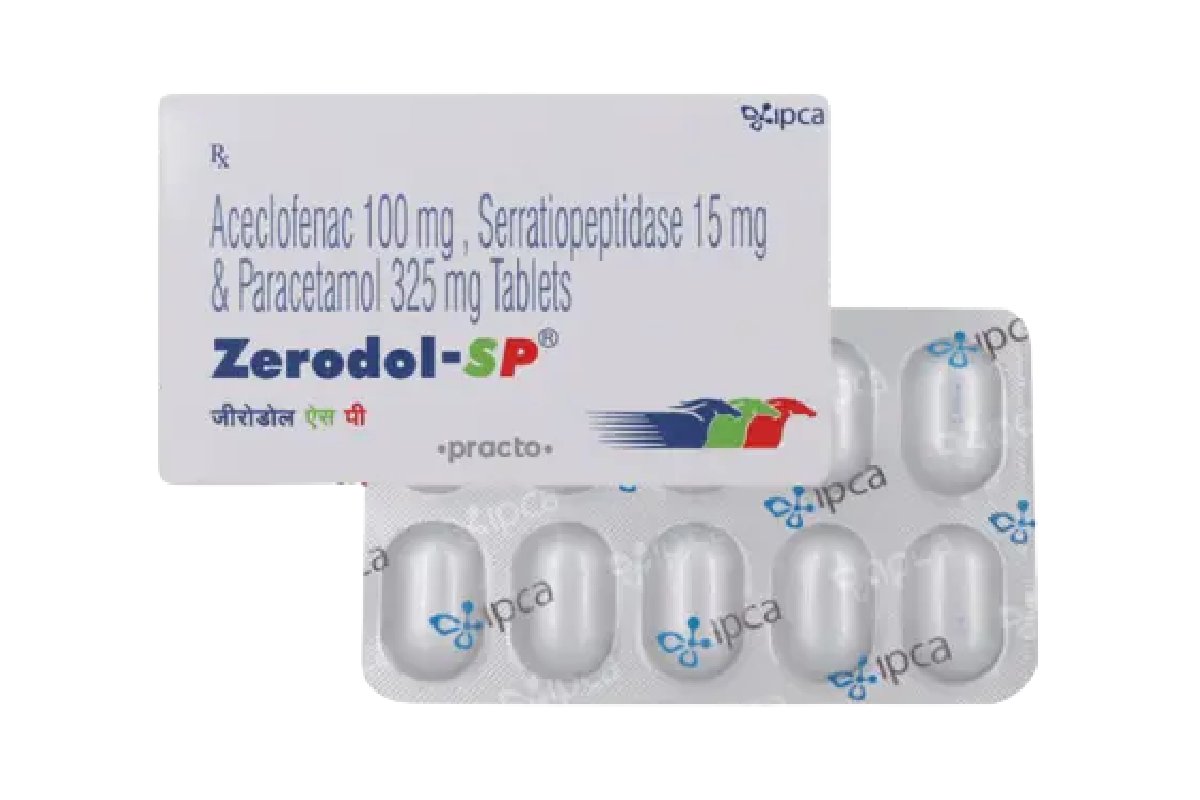
If you’re searching for “zerodol sp tablet uses,” you’re likely dealing with significant pain and inflammation, and this combination medication has been recommended or prescribed. As someone who has researched pain management pharmacology extensively, I can provide you with a detailed, evidence-based guide to this potent medication—but with crucial warnings about its proper use.
Immediate Disclaimer: Zerodol SP is a prescription-only medication in most countries due to its serious potential side effects. This information is for educational purposes only and should not replace professional medical advice from your prescribing doctor.
This article belongs to Fitful Living
Table of Contents
What Exactly Is Zerodol SP? Understanding Its Composition
Zerodol SP is not a single drug but a combination of three active ingredients, each with a specific role in pain management:
| Active Ingredient | Category | Primary Function |
|---|---|---|
| Aceclofenac (100mg) | NSAID (Non-Steroidal Anti-Inflammatory Drug) | Reduces inflammation, pain, and fever |
| Paracetamol/Acetaminophen (325mg) | Analgesic-Antipyretic | Provides additional pain relief and reduces fever |
| Serratiopeptidase (15mg) | Proteolytic Enzyme | Reduces swelling and improves tissue permeability |
This triple-action approach aims to provide more comprehensive relief than any single ingredient alone, particularly for conditions involving both pain and significant inflammation.
Primary Medical Uses: When Is Zerodol SP Prescribed?
Based on clinical prescribing patterns and pharmacological action, Zerodol SP is primarily indicated for:
1. Musculoskeletal Pain & Inflammation
-
Osteoarthritis: Particularly effective for flare-ups of knee, hip, or spinal osteoarthritis
-
Rheumatoid Arthritis: For acute inflammatory episodes and pain management
-
Ankylosing Spondylitis: Reduces spinal inflammation and associated pain
-
Gout Attacks: During acute episodes (though colchicine is often first-line)
-
Low Back Pain: Especially inflammatory or muscular origin
2. Post-Surgical & Post-Traumatic Pain
-
Dental Surgery: After tooth extractions, wisdom tooth removal, or oral procedures
-
Orthopedic Surgery: Following joint replacements, fractures, or ligament repairs
-
Soft Tissue Injuries: Severe sprains, strains, or sports injuries
-
Post-operative Inflammation: When significant swelling is expected
3. Other Inflammatory Conditions
-
Tendinitis/Tendinopathy: Tennis elbow, golfer’s elbow, rotator cuff injuries
-
Bursitis: Inflammation of cushioning sacs near joints
-
Dysmenorrhea: Severe menstrual cramps with inflammatory component
4. Conditions Where It’s Often MISUSED (Important Warning)
While sometimes prescribed for these, caution is warranted:
-
Chronic daily headaches or migraines (risk of medication-overuse headache)
-
Long-term management of chronic pain (due to GI and cardiovascular risks)
-
Mild pain that could be managed with single-ingredient medications
How Zerodol SP Works: The Triple Mechanism of Action
1. Aceclofenac’s Role (The Primary Anti-Inflammatory)
-
COX-2 Inhibition: Selectively blocks cyclooxygenase-2 enzyme, reducing prostaglandin production (key inflammation mediators)
-
Pain Pathway Modulation: Interferes with pain signal transmission in peripheral nerves
-
Duration: Anti-inflammatory effects build over days but pain relief begins within 1-2 hours
2. Paracetamol’s Role (The Pain & Fever Reducer)
-
Central Action: Works primarily in the brain to elevate pain threshold
-
Synergy: Complements aceclofenac’s peripheral action for more comprehensive relief
-
Safety Buffer: Allows lower aceclofenac dose while maintaining efficacy
3. Serratiopeptidase’s Role (The Anti-Swelling Enzyme)
-
Protein Breakdown: Breaks down abnormal exudates and dead tissue
-
Edema Reduction: Reduces swelling by improving tissue permeability
-
Antibiotic Potentiation: May improve antibiotic penetration in infected tissues
Dosage Guidelines & Administration Protocol
Standard Adult Dosage:
-
Typically: One tablet twice daily after meals
-
Maximum Duration: Usually prescribed for 5-7 days for acute conditions
-
Never exceed the prescribed dose or duration
Administration Instructions:
-
Always take with food or a full glass of milk to minimize gastrointestinal irritation
-
Swallow whole with a full glass of water—do not crush, chew, or break
-
Maintain consistent timing (e.g., 8 AM and 8 PM) for steady blood levels
-
Avoid lying down for at least 10 minutes after taking to prevent esophageal irritation
Critical Safety Warnings & Contraindications
Absolute Contraindications (Do NOT Take If You Have):
-
Peptic ulcer disease or active GI bleeding
-
Severe kidney or liver impairment
-
Heart failure or recent cardiac surgery
-
Third trimester of pregnancy
-
History of asthma, urticaria, or allergic reactions to NSAIDs
-
Coronary artery bypass graft (CABG) surgery pain
High-Risk Conditions (Use With Extreme Caution):
-
Hypertension (may interfere with antihypertensive medications)
-
Diabetes (can affect kidney function in diabetics)
-
Elderly patients (increased risk of GI bleeding and renal impairment)
-
Dehydration or hypovolemia (increased renal risk)
-
Smokers or alcohol users (increased GI bleeding risk)
Medication Interactions to Disclose to Your Doctor:
-
Blood thinners: Warfarin, heparin, clopidogrel (increased bleeding risk)
-
Other NSAIDs: Including over-the-counter ibuprofen or aspirin
-
Diuretics & ACE inhibitors: Reduced effectiveness and kidney risk
-
Lithium & Methotrexate: Increased toxicity risk
-
Antibiotics: Certain quinolones may increase seizure risk
-
Antidepressants: SSRIs may increase bleeding risk
Common Side Effects & When to Seek Immediate Help
Expected Mild Side Effects (Usually Temporary):
-
Nausea, indigestion, or mild stomach discomfort
-
Dizziness or headache
-
Mild fluid retention
-
Skin rash (discontinue immediately if occurs)
Serious Side Effects Requiring Immediate Medical Attention:
-
GI Warning Signs: Black/tarry stools, vomiting blood, severe abdominal pain
-
Cardiac Symptoms: Chest pain, shortness of breath, weakness on one side, slurred speech
-
Liver Problems: Yellowing of skin/eyes, dark urine, persistent nausea
-
Kidney Issues: Swelling in feet/ankles, reduced urination, fatigue
-
Allergic Reactions: Swelling of face/lips/tongue, difficulty breathing, severe rash
-
Skin Reactions: Blistering, peeling, or severe sunburn-like reaction
Long-Term Use Concerns & Alternatives
Why Zerodol SP Isn’t for Chronic Use:
-
GI Toxicity: Risk of ulcers and bleeding increases dramatically with prolonged use
-
Cardiovascular Risk: NSAIDs increase heart attack and stroke risk
-
Renal Impairment: Can cause kidney damage with sustained use
-
Hepatotoxicity: Both aceclofenac and paracetamol stress the liver
-
Tolerance & Dependence: Physical dependence can develop
Safer Alternatives for Different Scenarios:
| Condition | First-Line Alternatives | When Zerodol SP Might Be Preferred |
|---|---|---|
| Mild Arthritis | Topical NSAIDs, Acetaminophen alone | Severe inflammatory flares only |
| Muscle Pain | Muscle relaxants, Physical therapy | Acute severe injury with swelling |
| Dental Pain | Ibuprofen alone, Local anesthetics | Multiple extractions with significant swelling |
| Headaches | Triptans, Specific headache medications | Only if inflammatory component confirmed |
| Chronic Pain | Duloxetine, Gabapentin, Physical therapy | Not recommended for chronic use |
Evidence-Based Effectiveness: What Research Shows
Clinical studies indicate Zerodol SP is particularly effective for:
-
Post-Operative Dental Pain: Superior to many single-agent analgesics in multiple trials
-
Acute Low Back Pain: More effective than either component alone in reducing pain scores
-
Osteoarthritis Flares: Provides faster and more sustained relief than acetaminophen alone
-
Sports Injuries: The serratiopeptidase component specifically helps reduce swelling faster
However, a 2022 systematic review in Rheumatology International noted that while effective, combination NSAID products like Zerodol SP should be reserved for short-term use due to their amplified side effect profile compared to single agents.
Patient Experiences: Realistic Expectations
Based on clinical observations and patient reports:
-
Onset of Action: Pain relief typically begins within 60-90 minutes
-
Peak Effect: Maximum relief at 2-3 hours, lasting 6-8 hours
-
Swelling Reduction: Noticeable within 24-48 hours due to serratiopeptidase
-
Complete Course: Most acute conditions improve significantly within 3-5 days
-
“Magic Pill” Myth: It’s effective but not miraculous—requires rest and adjunct therapies
Frequently Asked Questions
Q: Can I take Zerodol SP for a regular headache?
A: No. This is a potent medication for inflammatory pain. Regular headaches should be treated with simpler analgesics unless specifically directed by a doctor.
Q: How long can I safely take Zerodol SP?
A: Typically 5-7 days maximum for acute conditions. Never continue beyond your prescribed duration without medical supervision.
Q: Can I drink alcohol while taking Zerodol SP?
A: Absolutely not. Alcohol dramatically increases risks of GI bleeding and liver damage with this combination.
Q: Is it safe during pregnancy?
A: Contraindicated in third trimester. Use in first/second trimester only if clearly needed and under close supervision. Safer alternatives exist.
Q: What if I miss a dose?
A: Take it as soon as you remember, but if it’s almost time for your next dose, skip the missed dose. Never double dose.
Q: Can I take it on an empty stomach?
A: Never. Always take with food to protect your stomach lining. The GI risks are significant.
The Responsible Use Protocol: A Step-by-Step Guide
If prescribed Zerodol SP:
-
Confirm Necessity: Discuss with your doctor if a single-ingredient medication might suffice
-
Pre-Treatment Screening: Ensure kidney/liver function tests if long-term use considered
-
Concurrent Protection: Your doctor may prescribe a proton pump inhibitor (like pantoprazole) to protect your stomach
-
Monitoring: Watch for warning signs and report immediately
-
Adjunct Therapies: Combine with RICE protocol (rest, ice, compression, elevation) for injuries
-
Timely Discontinuation: Use for the shortest effective duration
-
Follow-up: See your doctor if pain persists beyond the prescribed course
Natural & Adjunctive Approaches to Reduce Dependence
To minimize medication needs:
-
Physical Therapy: Crucial for musculoskeletal conditions
-
Hot/Cold Therapy: Effective for many types of pain
-
Omega-3 Supplements: Natural anti-inflammatories (consult doctor first)
-
Turmeric/Curcumin: Moderate evidence for inflammatory conditions
-
Acupuncture: May provide additional relief for some conditions
-
Weight Management: Reduces stress on joints in osteoarthritis
The Bottom Line: A Pharmacological Perspective
Zerodol SP is a potent, effective combination medication for specific short-term situations involving significant pain with inflammation and swelling. Its triple mechanism provides comprehensive relief that can be superior to single agents for appropriate indications.
However, its power comes with proportional risks. It should be:
-
Reserved for moderate to severe inflammatory pain
-
Used at the lowest effective dose for the shortest necessary duration
-
Monitored closely for adverse effects
-
Combined with non-pharmacological approaches
-
Never used as a first-line or long-term solution
Final Recommendation: If your doctor has prescribed Zerodol SP, use it exactly as directed. If you’re considering asking for it, discuss whether a safer alternative might suffice. Pain relief is important, but not at the cost of serious organ damage. Responsible use means balancing efficacy with safety—and this medication demands particular respect for that balance.