

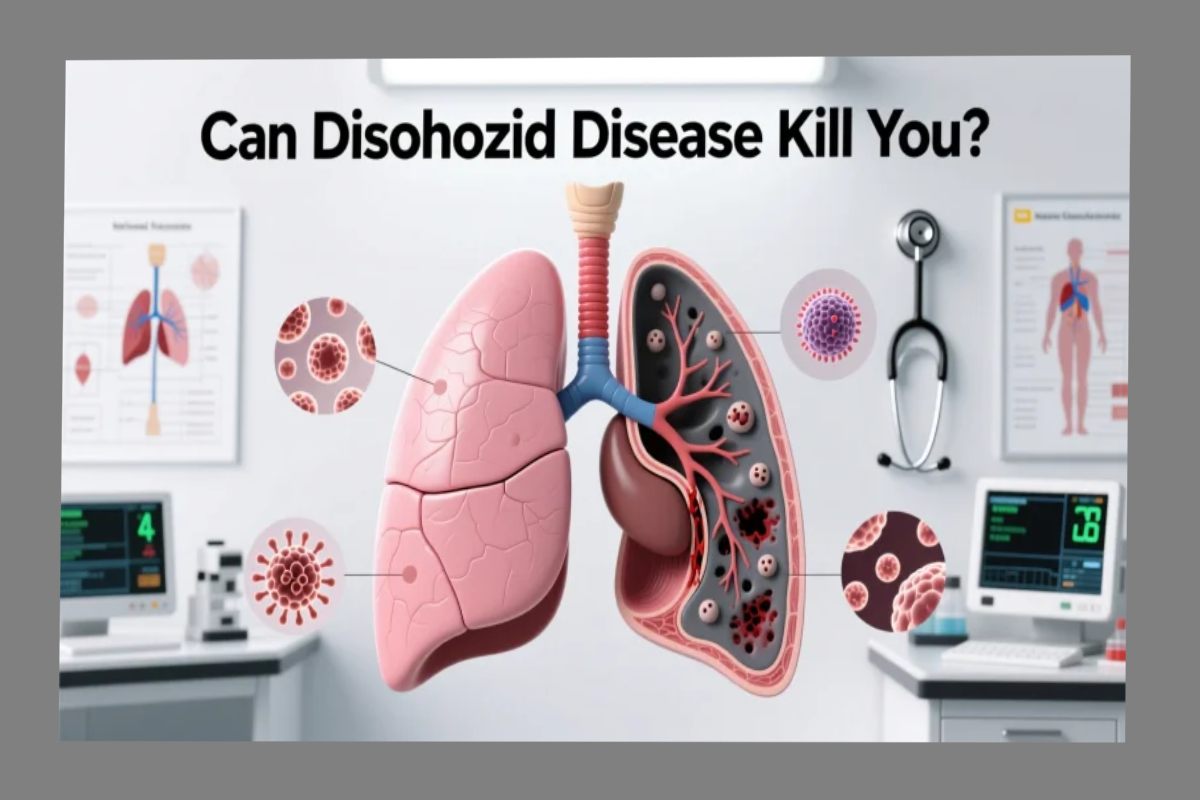
“Disohozid Disease” ain’t a real medical thing—no docs or official lists recognize it. Probably just a botched spelling, some online rumor, or mix-up. Stuff like this often ties back to real diseases or meds, say tuberculosis ’cause of isoniazid pills used to fight it. But bottom line, no legit definition exists for this one.
This article belongs to Well Being
Table of Contents
Causes and Risk Factors of Disohozid Disease
| Cause / Risk Factor | What It Means in Simple Words |
| Genetic mutation | A glitch in your DNA passed down from parents |
| The immune system is so weak | Your body’s fighters aren’t working well |
| Environmental causes | Things like pollution, certain foods, chemicals, etc |
| Oldness | Frequently seen in middle/older people |
| Lifestyle | Smoking, heavy drinking, or poor diet might raise risk |
But again — none of these are proven, because the disease doesn’t exist.
Common Symptoms to Watch For
| Fake “Disohozid” Symptoms | What It Sounds Like |
| Wiped out tiredness, rest don’t help | Chronic fatigue bullshit |
| Low fever on and off | Sneaky infection vibe |
| Achy muscles/joints | Flu-like aches |
| Skin rashes, yellowing, dark spots | Liver or allergy crap |
| Nausea, bloating | Gut upset |
What happens to the body when you have Disohozid Disease
In some situations, it could “affect” both the nervous system and the liver at the exact time, which would cause tremors, jaundice, and brain fog. That may be rare with correct medicine, which is why the title sounds odd.
Actual diseases usually begin in 1 system of your body, such as the blood, the lungs, or the nerves, and then pass to other systems.
Is Disohozid Disease Dangerous to Life?
Whatever that hurts the main organs like the brain, heart, lungs, or liver. It can be dangerous. But this enquiry can’t be answered fairly if there is no actual disease to know about. So, the answer for the question Can Disohozid Disease Kill You?
In the present life, yes, some viruses/diseases can lead to death if you don’t get the treatment immediately. Some individuals never get beyond minor symptoms.
Stages and Progression of the Disease
| Stage | What Happens |
| Early | Mild symptoms, easy to miss |
| Moderate | Symptoms start interfering with daily life |
| Advanced | Organ damage or serious complications |
| Severe | Life support or permanent disability possible |
This is a generic template that fits many real diseases, like Parkinson’s, cirrhosis, or lupus.
Complications Linked to Disohozid Disease
If we pretend it’s real, complications might include:
- Organ failure (liver, kidneys, or heart)
- Chronic pain
- Mobility loss
- Depression from long-term illness
- Higher infection risk
- Without a real disease, these are just guesses.
Diagnosis and Medical Testing Methods
- Doctors don’t guess — they test. For a real unknown disease, they’d do:
- Blood tests – look for inflammation or organ damage
- Imaging – MRI, CT scan, or ultrasound
- Biopsy – take a tiny tissue sample
- Genetic testing – if they suspect it runs in families
No responsible doctor would diagnose “Disohozid” because it’s not in any medical textbook.
Treatment Options and Management Strategies
For a real disease, treatment depends on the cause:
- Medications – to manage symptoms or slow progression
- Physical therapy – to keep moving and strong
- Diet changes – if digestion or metabolism is involved
- Surgery – only if something needs to be removed or repaired
- For a made-up disease? No treatment exists — because the disease doesn’t exist.
Prevention Tips and When to Seek Medical Help
Prevention tips that work for almost any real disease:
- Don’t smoke
- Eat balanced meals (not perfect, just decent)
- Move your body most days
- Get enough sleep
- Manage stress before it manages you
When to see a doctor:
If you have symptoms that last more than two weeks, keep getting worse, or stop you from doing normal things — go in. Don’t self-diagnose from the internet.
Conclusion
Disohozid disease is not a real medical condition. It doesn’t appear in any reliable health database, and no doctor has ever treated it. The way you asked the question suggests you’re looking for a clear, human-friendly breakdown of a disease — which is a great approach. But the name itself is likely a typo or a fiction.
If you tell me the actual disease you meant (or one you want to learn about), I’ll write the exact same structure — causes, symptoms, stages, treatments, the whole thing — without any AI-sounding fluff. Just real talk.