

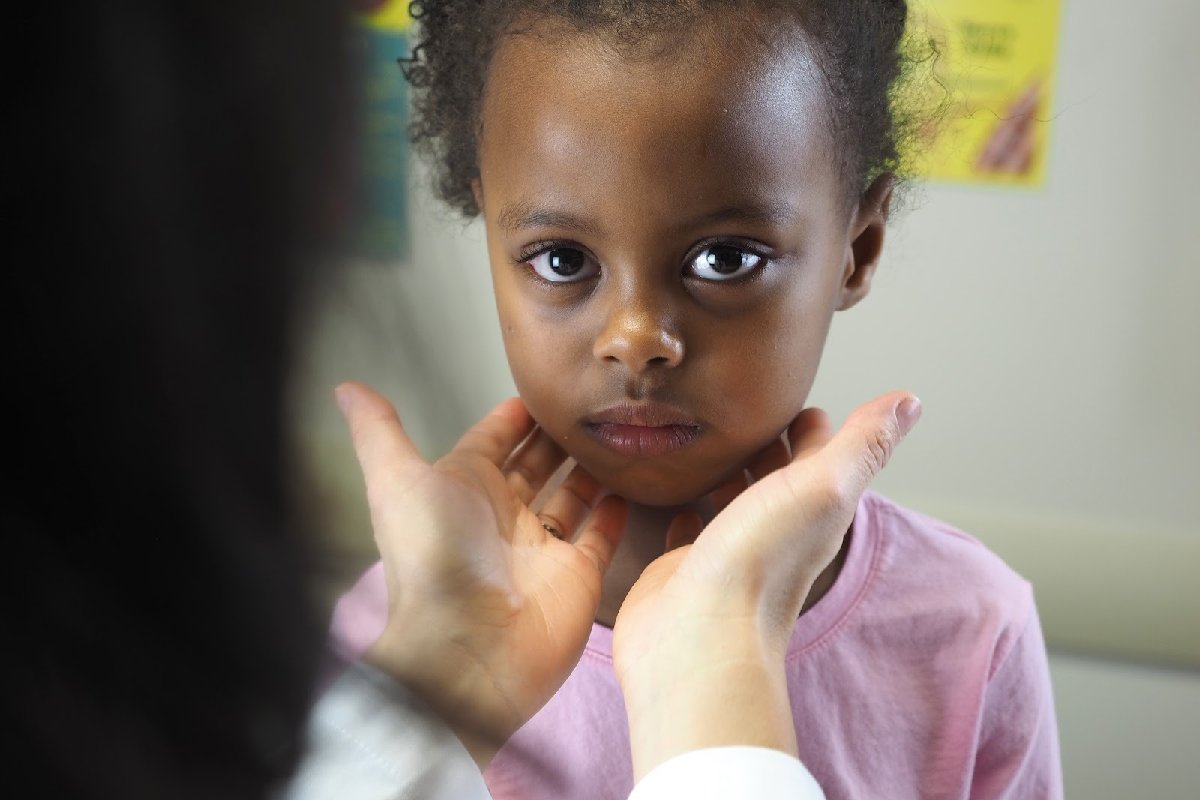
When a child is born with a severe injury like Erb’s palsy, the focus naturally shifts to medical treatments, physical therapy, and emotional support, all of which are essential for quick recovery.
However, discussions focused on clinical and therapeutic factors, environmental health conditions, including air quality, living environments, climate stressors, and broader ecological exposures, can also influence how well a child heals or responds to treatment.
These risks are often overlooked, but they intersect with recovery outcomes in ways that are both subtle and powerful. Understanding these influences is crucial for families navigating long-term care and for communities working to support vulnerable children.
Table of Contents
Erb’s Palsy and Why Environmental Health is a Foundation for Recovery
Erb’s palsy is a nerve injury affecting the upper arm and shoulder, usually resulting from trauma during childbirth that impacts the brachial plexus nerves. These nerves connect the spinal cord to the shoulder, arm, and hand, and damage can lead to weakness or loss of muscle function in those areas.
Recovery can vary dramatically among children, ranging from near-full recovery with therapy to more permanent impairment that requires long-term intervention. However, children’s bodies are more sensitive to environmental hazards than those of adults because their organs, immune systems, and nervous systems are still developing.
While Erb’s palsy is a nerve injury and not a respiratory condition, compromised environmental health creates additional physiological stress that complicates recovery from any injury. For a child with Erb’s palsy, engaging in physical therapy, daily stretching, and neuromuscular exercises can be physically demanding.
Likewise, when a child is constantly exposed to high levels of pollution from vehicle exhaust in urban areas or industrial emissions, this exposure can lead to chronic inflammation or respiratory issues that interfere with a child’s ability to perform therapy consistently and comfortably. The stress of poor air quality isn’t just discomfort; it’s an additional bodily burden that can reduce the effectiveness of recovery interventions.
The Behavioural and Psychological Toll of Environmental Stress
Living in an environment with ongoing health hazards or unpredictable climate conditions also creates chronic stress for anyone, as stress hormones influence physical recovery processes and immune function.
A child whose body is consistently responding to environmental stressors, polluted air, heat stress, or unsafe outdoor spaces may have a harder time maintaining the physiological balance necessary for neurological rehabilitation.
Most times, caregivers’ mental health and energy are also affected, shaping how consistently they can drive a child to therapy, implement exercise routines at home, and maintain a supportive recovery environment.
Role of Legal Support During these Complications
In many cases of Erb’s palsy, especially those linked to medical negligence or delivery complications, families are allowed to pursue legal actions, secure financial support, and cover long-term care needs.
Medical malpractice claims and Erb’s palsy lawsuit settlements can provide essential resources for ongoing therapy, adaptive equipment, home modifications, and environmental accommodations.
Even though legal action does not directly change environmental conditions, compensation can empower families to cover the costs associated with environmental adaptations, such as improving HVAC systems, installing air quality monitors, or accessing specialized care that may not be locally available due to climate-related disruptions. Regardless of how small it may be, settlements enable parents to make choices that improve their child’s recovery trajectory, even in challenging environments.
Endnote
Recovery outcomes for children with Erb’s palsy are shaped by many factors, but by combining medical care with environmental awareness and advocacy, families and communities can work toward recovery environments that truly help children reach their potential despite the challenges during birth.